


Short answer: Virtual accounting and bookkeeping services keep your books in cloud software that you and your bookkeeper both work in, with documents shared securely and reports delivered by email and video call. For an established Dallas, Plano or Frisco business, a good virtual firm gives you reconciled books and monthly statements on schedule, a second person reviewing the work, and no office visits.
Key takeaways
- Virtual bookkeeping is a way of delivering the work, not a lighter version of it.
- Look for monthly reconciliations, a senior review and reports on a fixed date.
- Security comes from multifactor authentication, separate logins and encrypted file sharing.
- A team, not one person, keeps your books running when someone is out.
What virtual accounting and bookkeeping services are
A virtual accounting firm does the same work as a bookkeeper in your office: it records transactions, reconciles accounts, closes the month and prepares financial statements. The difference is where the work happens. Your books live in cloud software such as QuickBooks Online, your bank and credit card accounts feed into it, and the firm works in that file from its own location with its own login.
That is also what people mean by cloud bookkeeping services or a virtual cloud bookkeeper: the books are online, so you, your bookkeeper and your tax preparer all look at the same numbers instead of emailing spreadsheets back and forth.

How virtual bookkeeping works month to month
- Access: you add the firm as a user in your accounting software and connect bank and card feeds. Each team member gets their own login; nobody needs your password.
- Documents: receipts, statements and bills come in through encrypted file sharing or the software itself, not loose email attachments.
- Monthly close: transactions are categorized, every account is reconciled to its statement and the numbers are reviewed.
- Reports: you receive the Profit & Loss, Balance Sheet and Statement of Cash Flows, ideally with a short written summary.
- Conversation: questions go by email between month-ends, and reviews happen on scheduled video or phone calls.
The routine is what makes it work. Read what monthly financial reports your bookkeeper should send you to see what a good package includes.
In-house, freelance or virtual firm: side by side
| Question | In-house bookkeeper | Freelance bookkeeper | Virtual bookkeeping firm |
|---|---|---|---|
| Who does the work | One employee | One independent contractor | A team assigned to your account |
| Who checks it | Usually the owner | Usually the owner | A senior reviewer, at firms that build it in |
| If that person leaves or is out | Books stop until you rehire | Books stop | Another team member continues |
| Cost structure | Salary, payroll taxes, benefits, software, management time | Hourly or monthly rate | Fixed monthly fee set by scope |
| Where they work | Your office | Remote or on site | Remote, through secure cloud systems |
| Best fit | Large volume needing someone on site daily | Simple books, low volume | Established businesses that want reviewed monthly statements |
How to read this table: the rows that matter most are the second and third. With one person, the owner is the reviewer and the backup plan. A virtual firm spreads the work across people, which is why continuity and review are its main advantages rather than location.
Benefits and trade-offs of virtual accounting solutions
The benefits are practical. You pay for the work rather than for a desk and a salary, the books are current enough to use during the month, and you get people with experience across many businesses like yours. Because the work is not tied to an office, you can choose a firm for its expertise rather than its zip code.
There are trade-offs to plan for. Paper receipts need to be scanned or photographed. Someone on your side has to answer questions promptly, or the close stalls. And you have to be comfortable giving a firm access to your accounting file and bank feeds, which is why security is the first thing to ask about.
Security: what to ask a virtual bookkeeping firm
A virtual firm should be able to explain exactly how your data is protected. Three controls matter most: multifactor authentication on every system that holds your financial data, role-based access so each person sees only what they need, and encrypted file sharing for statements and documents.
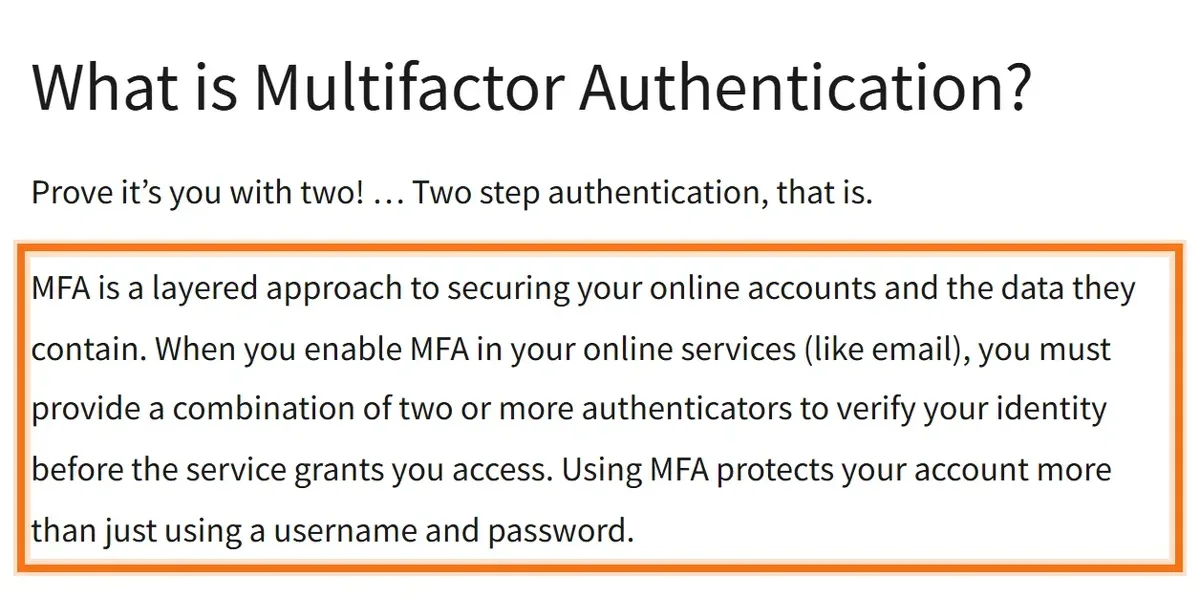
On your side, add the firm as its own user instead of sharing your login, turn on multifactor authentication for your accounting software and bank, and remove access promptly if you ever change providers. Our article on small business internal controls covers the rest of the basics.
Virtual CFO and controller services
Virtual services go beyond bookkeeping. A virtual controller owns the month-end close and the accuracy of the statements. A virtual or fractional CFO uses those statements for forecasting, scenario planning, pricing and the monthly strategy conversation. Owners in Frisco and Plano often ask about virtual CFO services first, but the CFO work only pays off when the books underneath are reconciled and reviewed. Our guide to the difference between a bookkeeper, a controller and a fractional CFO explains which you need first, and what a fractional CFO in Dallas does and costs covers the CFO layer.
Virtual bookkeeping in Frisco, Plano and across Dallas–Fort Worth
Virtual does not have to mean far away. A Dallas–Fort Worth firm that works virtually knows the Texas filings your books feed into, such as the franchise tax report and Comptroller sales tax returns, and works in your time zone. For owners in Collin County, see our pages on virtual bookkeeping in Frisco, TX and bookkeeping in Plano.
How to choose a virtual accounting firm
- Who will do your books, and who reviews them before you see them?
- What do you receive each month, and on what date?
- Is the fee fixed, and what does it include?
- How are access and documents secured?
- Do they work with businesses like yours, such as law firms, medical practices, contractors or agencies?
- What is the commitment, and how does onboarding work?
How LUCI Financial Solutions works virtually
LUCI is a woman-owned firm based in Dallas–Fort Worth that serves established service businesses locally and nationwide. The whole engagement runs virtually: you share access to QuickBooks and your bank feeds, documents move through encrypted file sharing, and communication happens by email and scheduled video or phone meetings. Your account is supported by a team, with a senior-level review of the financials before delivery, so your books do not depend on one person.
Onboarding typically takes two to four weeks, the initial commitment is three months and service continues month to month after that. See bookkeeping services in Dallas for the plans and outsourced accounting in Dallas for the wider finance function.
Frequently asked questions about virtual bookkeeping
What are virtual accounting and bookkeeping services?
They are bookkeeping and accounting done remotely through cloud software. The firm works in your QuickBooks Online or similar file and your connected bank feeds, you share documents through a secure portal or encrypted file sharing, and reports and meetings happen by email, video or phone instead of at an office.
Is virtual bookkeeping safe?
It can be safer than paper and email when the firm uses multifactor authentication, gives each person their own login with role-based access, and shares files through encrypted channels. Ask any provider how they handle access and documents, and never send bank passwords by email.
Do I need to meet my bookkeeper in person?
No. A virtual firm can do everything remotely: connect to your software, reconcile your accounts and walk you through the reports on a scheduled video or phone call. Many owners prefer it because there are no boxes of receipts to drop off.
What is the difference between virtual bookkeeping and a virtual CFO?
Virtual bookkeeping keeps the books accurate: transactions, reconciliations and monthly statements. A virtual or fractional CFO works from those books on forecasting, pricing, scenario planning and decisions. Many businesses need the bookkeeping and controller layer first.
Do you offer virtual bookkeeping in Frisco and Plano?
Yes. LUCI Financial Solutions is based in Dallas–Fort Worth and serves businesses in Frisco, Plano and across the metroplex, as well as clients nationwide. Because the team works virtually, the monthly close and reports are the same wherever the business is.
How long does it take to switch to a virtual bookkeeping firm?
At LUCI, onboarding typically takes two to four weeks: access to your QuickBooks file and accounts, a review of the current books, any cleanup needed (quoted separately if significant) and reporting set up to fit how your business runs.
Reviewed books, delivered virtually
Monthly bookkeeping, reconciliations and financial statements for businesses in Dallas, Plano, Frisco and nationwide. See our bookkeeping services.