


Short answer: The future of bookkeeping is less data entry and more review and advice. Bank feeds and AI now categorize most transactions, cloud software and virtual teams are standard, rules keep changing (the Form 1099-NEC threshold rose to $2,000 for payments made in 2026), and owners expect reports that explain their numbers. To stay ahead, a Dallas business needs cloud books, a human review every month and a team that keeps up with the rules.
Key takeaways
- Automation handles entry; people still need to reconcile, review and explain.
- Cloud accounting with bank feeds is now the starting point, not an upgrade.
- The 1099-NEC threshold is $2,000 for 2026 payments; update your vendor setup.
- Fixed monthly fees and virtual teams are replacing hourly, in-office bookkeeping.
- More connected systems mean security matters more: use multifactor authentication everywhere.
Seven trends shaping the future of bookkeeping
These are the changes we see affecting established service businesses in Dallas–Fort Worth. The table shows each trend, what it changes for you as an owner and what to do about it now.
| Trend | What changes for you | What to do now |
|---|---|---|
| 1. Automation and AI | Most transactions are categorized automatically | Keep a monthly human review; check the rules the software learned |
| 2. Cloud accounting | Books are current every day and reachable from anywhere | Move off desktop files; connect every bank and card feed |
| 3. Virtual teams | Your bookkeeper does not need to be in your office or your city | Judge firms on who does and reviews the work, not on location |
| 4. Changing rules | 1099-NEC threshold $2,000 for 2026 payments; e-file at 10 or more returns | Collect W-9s up front and update your 1099 checklist |
| 5. From reports to advice | Statements arrive with explanations, trends and forecasts | Ask for an Executive Summary and budget-to-actual reporting |
| 6. Fixed-fee pricing | A known monthly cost instead of hourly bills | Get the scope in writing, including what counts as extra |
| 7. Data security | More logins and integrations to protect | Turn on multifactor authentication for every financial system |
How to read this table: the middle column is already happening whether or not you act. The right column is the small step that keeps it working for you; most owners can do the first two rows in a month, and the rest at the next review with their bookkeeper.
Trend 1: Automation and AI take over data entry
Bank feeds pull transactions into the books automatically, and software suggests a category for each one based on past entries. AI tools now read receipts and bills, too. For a typical service business, that removes most of the typing that used to fill a bookkeeper’s day.
What automation does not do well is judgment. A rule that learned the wrong category repeats the mistake every month. Software does not notice that a deposit was a loan rather than revenue, record accruals for work not yet billed, or explain why margin fell. That is why the review step matters more as automation grows, not less.
Trend 2: Cloud accounting becomes the default
Cloud software such as QuickBooks Online keeps the books current, lets your bookkeeper and CPA work in the same file, and connects to payroll, payments and receipt apps. If your business still runs on a desktop file passed around by email, moving to the cloud is the single biggest upgrade available. LUCI offers QuickBooks Desktop to QuickBooks Online migration and full QuickBooks Online setup; our review of cloud accounting software compares the main options.
Trend 3: Virtual bookkeeping teams
Because the books live in the cloud, your bookkeeping team does not need to sit in your office. A virtual team can serve a business in Plano, Frisco or Fort Worth the same way it serves one in Dallas, through secure systems, email and scheduled calls. The question to ask a virtual firm is not where it is, but who does the work, who reviews it and who covers absences. Our article on virtual accounting and bookkeeping services covers how that works day to day.
Trend 4: Rules keep changing
Tax and reporting rules change every year, and the software will not tell you all of it. Two recent changes affect almost every small business that pays contractors:

- The 1099 threshold rose to $2,000. For payments made in 2026 and later, Form 1099-NEC is required once you pay a contractor $2,000 or more in the year, up from $600. It is still due January 31.
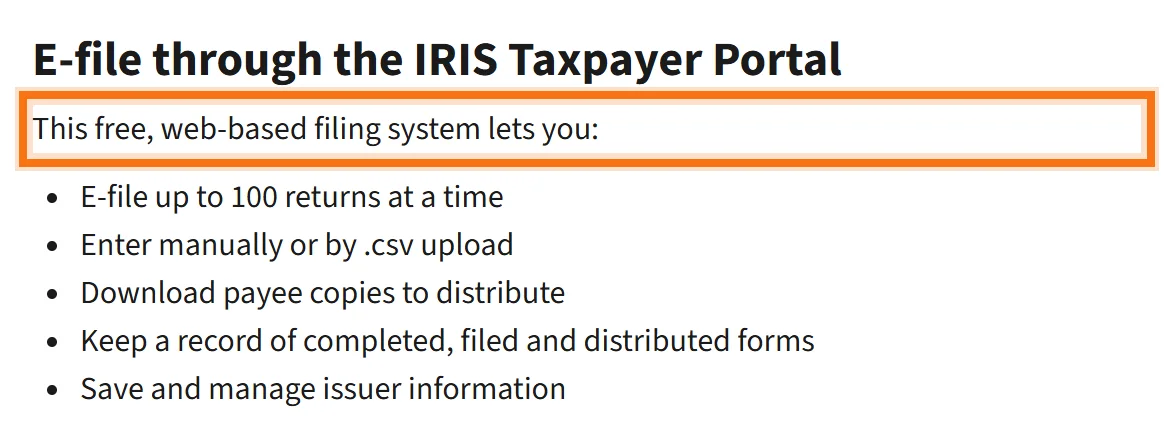
- E-filing is the norm. If you file 10 or more information returns in total, such as 1099s and W-2s together, you must file them electronically.
Our guide to IRS Form 1099 walks through the steps, and a good bookkeeping team builds rule changes like these into your year-end checklist before January arrives.
Trends 5 and 6: From reports to advice, and fixed-fee pricing
5. Data analytics and advice on top of the books
Owners increasingly expect more than three statements: an explanation of what changed, trends over time, budget-to-actual comparisons, margins by client or service, and cash forecasts. Clean, current books make this possible; automation frees the time to do it. See the monthly reports your bookkeeper should send for what a complete package includes.
6. Fixed-fee pricing
Hourly billing makes owners hesitate to ask questions. More firms now quote a fixed monthly fee for a defined scope, often in tiers. LUCI sets a fixed fee for its Core, Growth and Scale tiers after a discovery call; our guide to what bookkeeping costs in Dallas compares the pricing models.
Trend 7: Data security matters more
Every bank feed, app connection and shared login is a door into your finances. Turn on multifactor authentication for banking, payroll, bill pay and accounting software, give each person their own login with only the access they need, and share documents through an encrypted portal rather than email. Our article on cybersecurity in accounting covers the basics.
Tips for Dallas business owners to stay ahead
- Get the books into the cloud, with every bank and card account connected.
- Keep a human review every month, however good the automation is.
- Update your contractor setup: a W-9 before the first payment, and the $2,000 threshold in your 1099 checklist.
- Ask for explanations, not just reports: an Executive Summary and budget-to-actual at least quarterly.
- Lock down access with multifactor authentication and individual logins.
- Choose a team, not a single person, so your books do not stop when one bookkeeper is away.
How LUCI Financial Solutions works today
LUCI Financial Solutions is a Dallas–Fort Worth bookkeeping and financial operations firm for established service businesses, typically with $250K or more in annual revenue. We work virtually on secure cloud systems with multifactor authentication, role-based access and encrypted file sharing. Every account is supported by a team: a bookkeeper for the monthly work, a senior accountant who reviews the financials before you see them, and CFO-level advice on the Scale tier. Each tier is a fixed monthly fee. See bookkeeping services in Dallas or our services and pricing.
Frequently asked questions about the future of bookkeeping
Will AI replace bookkeepers?
AI and bank-feed rules already handle much of the data entry, and that share will grow. What they do not do reliably is judge unusual transactions, reconcile accounts, record accruals or explain what the numbers mean for your decisions. The work is shifting from entry to review and advice, not disappearing.
What are the biggest bookkeeping trends for small businesses?
Automation and AI-assisted categorization, cloud accounting as the default, virtual bookkeeping teams, more reporting and advice on top of the books, fixed-fee pricing, tighter data security, and tax rule changes such as the $2,000 Form 1099-NEC threshold for payments made in 2026.
What changed for Form 1099 reporting in 2026?
For payments made in 2026 and later, the IRS raised the reporting threshold for nonemployee compensation on Form 1099-NEC, and for several Form 1099-MISC boxes such as rents, from $600 to $2,000. Businesses filing 10 or more information returns in total must still e-file them, and the IRS IRIS portal lets you do that for free.
Is cloud bookkeeping safe?
It can be, when it is set up properly: multifactor authentication on every financial login, role-based access so each person sees only what they need, and encrypted file sharing instead of email attachments. Ask any provider to explain its security practices before you give access.
How can a small business stay ahead of bookkeeping changes?
Move to cloud software with bank feeds, keep a human review of the books every month, update your vendor and 1099 setup for the new threshold, ask for reports that explain the numbers, and protect every login with multifactor authentication.
Does LUCI Financial Solutions work virtually?
Yes. LUCI is based in Dallas–Fort Worth and works virtually through secure cloud systems, email and scheduled calls, serving clients across DFW and nationwide.
Modern bookkeeping, reviewed by people
Cloud books, a senior review every month and fixed fees. Schedule a consultation or call 214-233-5454.